
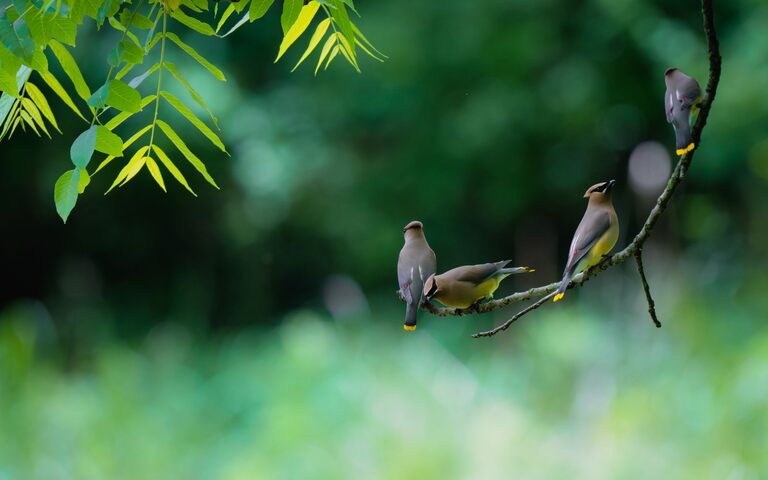
Birdwatching is a relaxing and rewarding hobby that lets you connect with nature right in your own backyard. Whether you’re interested in watching colorful songbirds, spotting unique species, or simply enjoying the sights and sounds of birds, it’s easy to get started—even if you have little experience. This guide provides beginner-friendly tips to help you create a bird-friendly environment, recognize common birds, and make the most of your backyard birdwatching adventures.
Why Backyard Birdwatching?
Backyard birdwatching is accessible to everyone. You don’t need special equipment or to travel far—just a little curiosity and patience. It encourages mindfulness and outdoor time, and it can even support local bird populations by providing food and shelter. Plus, it’s a great activity for individuals, families, or friends to enjoy together.
Getting Started: What You Need
1. A Comfortable Viewing Spot
Choose a quiet place in your yard where you can sit and watch birds comfortably. This could be a porch, patio, or near a window. Consider adding a chair or bench for longer observation sessions.
2. Basic Bird Identification Tools
You don’t need expensive gear to identify birds. A simple bird field guide or a bird identification app on your smartphone can be very helpful. Apps often include photos, sounds, and tips to distinguish between species.
3. Binoculars (Optional)
While not required, a pair of binoculars enhances your experience by allowing you to see birds up close without disturbing them. Choose lightweight binoculars with a moderate zoom for backyard use.
Attracting Birds to Your Backyard
Creating a welcoming environment is key to attracting a variety of birds. Here are some beginner-friendly ideas:
1. Provide Food
Bird feeders are a popular way to attract birds. Some common types include:
– Seed Feeders: Use black oil sunflower seeds, which attract many species.
– Suet Feeders: Offer energy-rich suet cakes, especially for woodpeckers and insect-eaters.
– Nyjer Feeders: Small mesh feeders for finches and other tiny birds.
Place feeders in safe locations away from predators and where you can observe easily. Keep feeders clean to prevent disease.
2. Fresh Water
Birds need water for drinking and bathing. A birdbath or shallow dish filled with fresh water will attract many visitors. Change water regularly and keep it clean.
3. Native Plants and Shelter
Planting native shrubs, trees, and flowers provides natural food, shelter, and nesting sites. Dense bushes and evergreens offer protection from predators and harsh weather.
4. Nesting Boxes
Putting up birdhouses suited to local species encourages birds to nest in your yard. Research which types of boxes suit the birds common in your area.
Identifying Backyard Birds
As you observe, try to notice key features to help identify birds:
– Size and Shape: Notice the overall size and body shape.
– Color Patterns: Look for distinctive colors on the wings, head, or chest.
– Beak Shape: Beak size and shape can hint at diet and species.
– Behavior: Observe feeding style, flight patterns, and movements.
– Sounds: Bird songs and calls are useful identification tools.
Keep notes or take photos to help remember what you see.
Tips for Enjoyable Birdwatching
– Be patient and quiet; birds are more likely to appear if you don’t scare them away.
– Watch at different times of day, especially early morning when birds are most active.
– Don’t worry if you can’t identify every bird immediately; learning comes with time.
– Invite family or friends to share the experience—it can make watching even more fun.
– Join local birdwatching groups or online forums to learn and share bird sightings.
Safety and Respect for Birds
While backyard birdwatching is low-impact, it’s important to respect wildlife:
– Keep distance from nests to avoid disturbing breeding birds.
– Avoid using pesticides or chemicals on plants that may harm birds.
– Maintain feeders and water sources to prevent the spread of disease.
– Be mindful of household pets, especially cats, which may harm visiting birds.
Conclusion
Starting backyard birdwatching is simple and enjoyable with just a few steps. By setting up feeders, providing water and shelter, and learning to identify common birds, you can bring the beauty of nature right to your doorstep. With a little patience and curiosity, you’ll soon find yourself appreciating the diverse and fascinating world of backyard birds.
Happy birdwatching!