
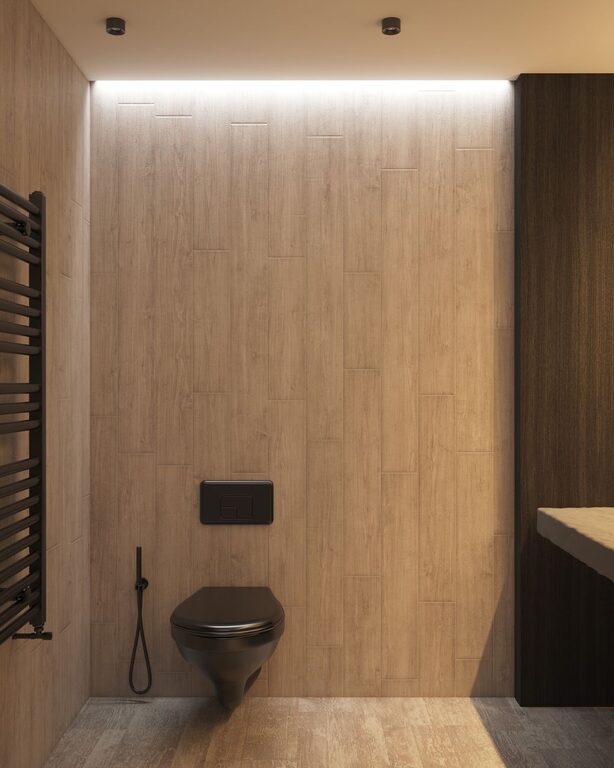
Creating a minimalist bathroom setup is a wonderful way to bring calm, clarity, and simplicity to one of the most frequently used spaces in your home. Minimalism focuses on removing unnecessary items and focusing on essentials, which helps make your bathroom feel more spacious and serene. Whether you have a large bathroom or a small powder room, a minimalist approach can transform the space into a relaxing retreat.
In this guide, we’ll walk you through practical steps to design a minimalist bathroom setup that is functional, stylish, and easy to maintain.
Why Choose a Minimalist Bathroom?
Minimalism isn’t just about having fewer things—it’s about creating a space that feels peaceful and intentional. Bathrooms are often cluttered with personal care products, towels, and cleaning supplies, which can make the room feel chaotic or cramped.
A minimalist bathroom helps you:
– Reduce visual clutter and distractions
– Simplify your daily routines
– Create a spa-like, relaxing atmosphere
– Make cleaning and maintenance easier
– Maximize the perception of space, especially in small bathrooms
Now, let’s explore how to achieve this look step-by-step.
Step 1: Declutter and Simplify
The foundation of any minimalist space is decluttering. Start by removing everything from your bathroom counters, shelves, and cabinets. Sort items into categories:
– Essentials you use daily
– Items you use occasionally
– Products that can be stored elsewhere or discarded
Only keep what is necessary and regularly used within the bathroom. For example, a simple toothbrush holder, a small soap dispenser, and a couple of skincare items may be all you need on the counter.
If you have products or tools that aren’t used daily, consider storing them in a linen closet or another room to keep the bathroom free from clutter.
Step 2: Choose a Neutral Color Palette
Minimalist design thrives on calm, neutral colors that enhance natural light and create a sense of openness. Popular choices for minimalist bathrooms include:
– White
– Light gray
– Soft beige
– Pale pastels
These colors work well on walls, tiles, cabinetry, and even towels or rugs. Avoid bright patterns or overly bold colors that can distract from the minimalist feel.
For a touch of warmth, add natural materials like wood or stone, but keep finishes smooth and matte rather than glossy or busy.
Step 3: Opt for Simple, Functional Fixtures
Minimalist bathrooms favor clean lines and straightforward designs. When selecting fixtures such as faucets, showerheads, and lighting, look for items with simple shapes, like cylindrical or rectangular forms.
Choose hardware in finishes like matte black, brushed nickel, or chrome for a modern and timeless look.
If you’re remodeling, consider wall-mounted faucets or floating vanities. These contribute to a more open floor plan and make cleaning underneath easier.
Step 4: Maximize Storage with Minimal Visual Impact
Storage is key to maintaining a minimalist bathroom without leaving items out in the open. Here are some ideas to keep your essentials organized and hidden:
– Install recessed shelves inside walls for shampoo or soap in the shower
– Use vanity cabinets or drawers with clean fronts—handleless or with simple pulls
– Add storage baskets or bins under the sink for towels and toiletries
– Incorporate mirrored medicine cabinets for extra hidden storage
The goal is to keep countertops and open shelving clear, reducing visual clutter.
Step 5: Choose Minimal Accessories
Accessories should be few and purposeful in a minimalist bathroom. Choose just a couple of items that add subtle style or functionality:
– A simple soap dispenser or dish
– A well-chosen plant, like a small succulent or air plant, for freshness
– Minimalist towel racks or hooks
– A neutral-colored bath mat with no busy patterns
Avoid overcrowding the space with many decor pieces. Each accessory should have a reason for being there.
Step 6: Incorporate Natural Elements
Natural elements help soften minimalism, making the bathroom feel warm and inviting. Consider adding:
– Wooden bath mats or shelves
– Stone soap dishes or trays
– Plants to add greenery and improve air quality
These touches provide texture and interest without overwhelming the simplicity of the design.
Step 7: Focus on Lighting
Good lighting enhances the minimalist bathroom by creating a bright, airy atmosphere. Use a combination of:
– Natural light, by keeping windows unobstructed or using sheer curtains
– Soft, diffused overhead lighting
– Task lighting near mirrors for grooming tasks
Avoid heavy or ornate light fixtures; instead, select simple designs that blend seamlessly with the space.
Step 8: Maintain Your Minimalist Bathroom
Once your minimalist bathroom setup is complete, keeping it tidy is easier if you:
– Regularly put items back in their designated storage spots
– Avoid accumulating new products or accessories you don’t need
– Clean surfaces frequently to maintain the fresh, open look
Minimalism is a lifestyle as much as a design choice, so mindfulness about what you bring into the space will preserve the calm environment.
—
In Summary
Creating a minimalist bathroom setup involves more than just removing clutter; it means thoughtfully selecting colors, fixtures, storage, and accessories to create a peaceful space. By decluttering, choosing neutral colors, maximizing hidden storage, and keeping accessories simple, you can design a bathroom that feels spacious, organized, and calming.
The minimalist approach is perfect if you want a bathroom that supports relaxation, clear thinking, and easy maintenance. Give these tips a try, and enjoy your new tranquil bathroom retreat!