
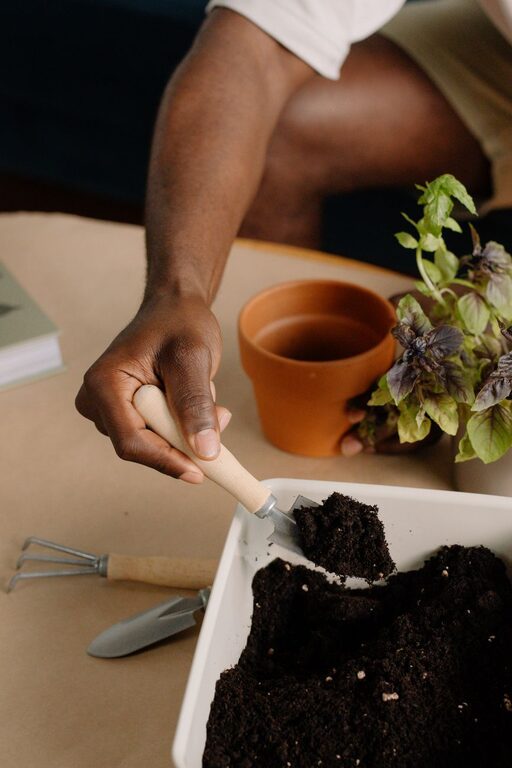
Starting a small herb garden indoors is a rewarding and enjoyable way to bring fresh flavors into your kitchen. Whether you live in an apartment or have limited outdoor space, growing herbs inside allows you to have a steady supply of fresh ingredients year-round. This guide will walk you through everything you need to know to create a successful indoor herb garden, from choosing the right herbs to caring for them.
Why Grow Herbs Indoors?
Growing herbs indoors offers many benefits:
– Freshness: Harvest herbs right before cooking for maximum flavor.
– Convenience: Have herbs within arm’s reach in your kitchen.
– Cost-effective: Save money by growing your own instead of buying.
– Decor: Indoor herb gardens add greenery and improve air quality.
– Satisfaction: Enjoy the process of nurturing plants and watching them grow.
Choosing the Right Herbs for Your Indoor Garden
Not all herbs thrive equally well indoors. For beginners, it’s best to start with herbs that are known to grow well inside and require similar care. Here are some popular choices:
– Basil: Loves sunlight and warmth; great for Italian dishes.
– Parsley: Adaptable and tolerant of varying conditions.
– Chives: Easy to grow and adds a mild onion flavor.
– Mint: Vigorous grower; keep it contained as it can spread quickly.
– Thyme: Prefers bright light and well-drained soil.
– Cilantro: Requires good light and cooler temperatures.
– Oregano: Needs plenty of light; perfect for Mediterranean cooking.
Selecting Containers and Soil
Containers
Use containers with good drainage holes to prevent waterlogging. You can use:
– Small pots made of clay, ceramic, or plastic.
– Recycled containers like old jars or tins (just add drainage holes).
– Planter boxes or window boxes if you have space.
Soil
Choose a high-quality potting mix designed for indoor plants or herbs. Avoid garden soil, which can be too heavy and may contain pests. Look for:
– Well-draining soil mix.
– Light and fluffy texture.
– Organic options for healthier plants.
Finding the Best Location for Your Herb Garden
Herbs generally need plenty of light to grow well indoors. Here’s what to consider:
– Sunlight: Most herbs require at least 6 hours of direct sunlight each day. A south- or west-facing window is ideal.
– Lighting alternatives: If natural light is limited, consider using grow lights. LED grow lights are energy-efficient and effective.
– Temperature: Most herbs prefer temperatures between 65°F to 75°F (18°C to 24°C).
– Air Circulation: Ensure the area is well-ventilated to reduce mold and pests.
Planting Your Herbs
You can start your herb garden from:
– Seeds: Choose fresh seeds and follow the packet instructions for planting depth and frequency. Starting from seed is cost-effective but requires patience.
– Seedlings or Starter Plants: Buying young plants from a nursery is quicker and easier for beginners.
Steps to Plant
- Fill your pots with potting mix, leaving about an inch from the top.
- Plant seeds or seedlings according to their needs.
- Water gently to moisten the soil but avoid waterlogging.
- Label each pot to keep track of different herbs.
Caring for Your Indoor Herb Garden
Watering
– Herbs prefer slightly moist soil but not soggy.
– Water when the top inch of soil feels dry.
– Avoid overwatering to prevent root rot.
Fertilizing
– Use a balanced, water-soluble fertilizer every 4-6 weeks.
– Avoid over-fertilizing, which can reduce flavor intensity.
Pruning and Harvesting
– Regularly pinch back herbs to encourage bushy growth.
– Harvest leaves in the morning for best flavor.
– Do not remove more than one-third of the plant at a time to allow regrowth.
Troubleshooting Common Issues
– Yellow leaves: May be a sign of overwatering or lack of nutrients.
– Leggy plants: Often caused by insufficient light; move them closer to a window or use grow lights.
– Pests: Watch for aphids or spider mites; wipe leaves or use natural insecticidal soap.
Tips for Success
– Rotate plants occasionally to ensure even light exposure.
– Group herbs with similar water and sunlight needs.
– Experiment with different varieties to discover your favorites.
– Keep a small notebook to track watering and growth progress.
Conclusion
Starting a small indoor herb garden is an easy and enjoyable project that adds freshness and flavor to your meals. With the right herbs, containers, location, and care, you’ll soon be harvesting your own fresh herbs at home. Whether you’re a cooking enthusiast or just want a touch of greenery indoors, an herb garden is a wonderful way to connect with nature and enjoy the fruits of your labor every day.
Get started today with a few simple pots and see how rewarding growing your own herbs can be!